
How to Refine Your Nose Bridge|Self-Care and Aesthetic Medical Guide for Creating Your Ideal Profile [Doctor-Supervised]
The shape of the nose bridge significantly affects the beauty of one’s profile, so many people struggle with the desire to have a well-defined nose bridge.
A smooth line from the bridge to the tip of the nose, combined with just the right height, not only refines the overall facial impression but also creates a beautifully balanced profile.
For those who want to feel more confident in their profile or enjoy makeup more, self-care routines to refine the nose bridge and aesthetic medical treatments are recommended.
This article introduces the types of procedures available in aesthetic medicine, along with their benefits, drawbacks, costs, and downtime, alongside self-care practices you can do at home.
Makeup and Massage to Make Your Nose Look Sleeker at Home
If you want to change your look easily, start by tweaking your daily makeup and skincare routine.
Contouring Techniques for a Sleek-Looking Nose Bridge
By applying shading and highlighting to the nose, you can make it appear more defined.
Shading
Apply a shade one tone darker than your skin tone from just below the inner corner of your eyebrow toward the side of your nose. The key is to apply the color in a way that emphasizes the hollow at the inner corner of your eyebrow.
If left as is, the shading will appear too obvious and unnatural, so blend it into your skin using your fingertips or a makeup brush.
Highlights
Next, apply ivory, white, or light beige shades to the bridge of your nose to accentuate it. Blend the highlighter into your skin just as you would with shading.
For a natural finish, we recommend choosing a light shade and applying color gradually in small amounts. Powder types are said to make it easy for beginners to create a gradient.
When checking the finished product, make sure it doesn’t look unnatural by inspecting it not only from the front but also from the side.
The Effects of Nose Massage and What You Should Know About Its Limitations
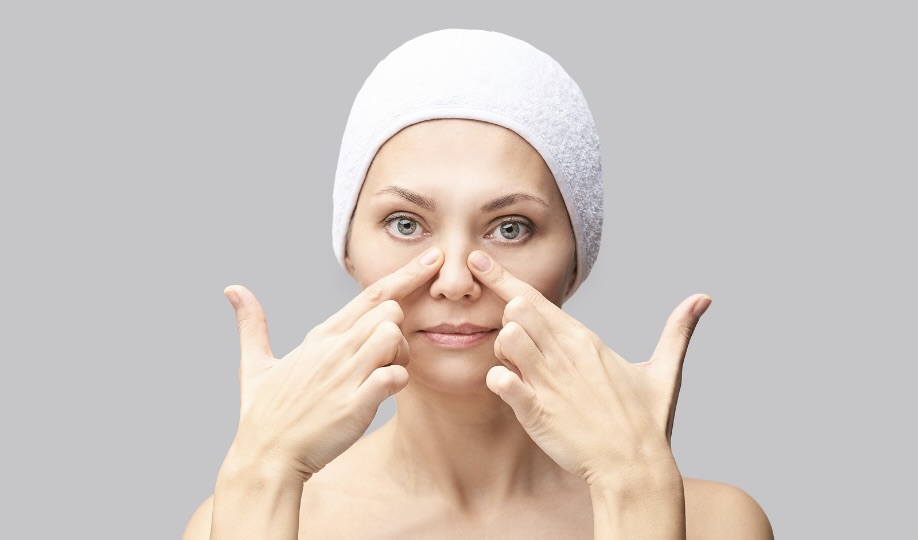
By improving blood circulation in and around the nose, it reduces puffiness and creates a more defined, refined appearance of the nasal bridge.
However, the effects of massage are temporary and cannot alter the skeletal structure itself, so you cannot expect dramatic changes or semi-permanent results. Please use massage solely as a supplementary measure.
Nose Massage Procedure
There are two types of nose massage: “bridge care” and “nostril care.” The steps are as follows. Please perform gently to avoid damaging the skin.
【Nose Bridge Care】
- Place the pad of your index finger against the bridge of your nose.
- Move your fingers back and forth in small, quick motions while gradually sliding them toward the tip of the nose.
【Nose Wing Care】
- Pinch the sides of your nose between your index finger and thumb.
- Massage in a circular motion about 10 times.
- After the massage, gently pull your fingers straight forward.
Points to Note When Performing a Nose Massage
When giving a massage, it is important to use the pads of your fingers gently, avoiding digging in with your nails.
Avoid applying strong pressure or friction, as this can strain the skin, weaken its barrier function, and increase the risk of hyperpigmentation.
【Cosmetic Surgery】Primary Procedures and Features for Achieving Your Ideal Nose Profile
If you seek fundamental change, procedures at a cosmetic clinic are effective.
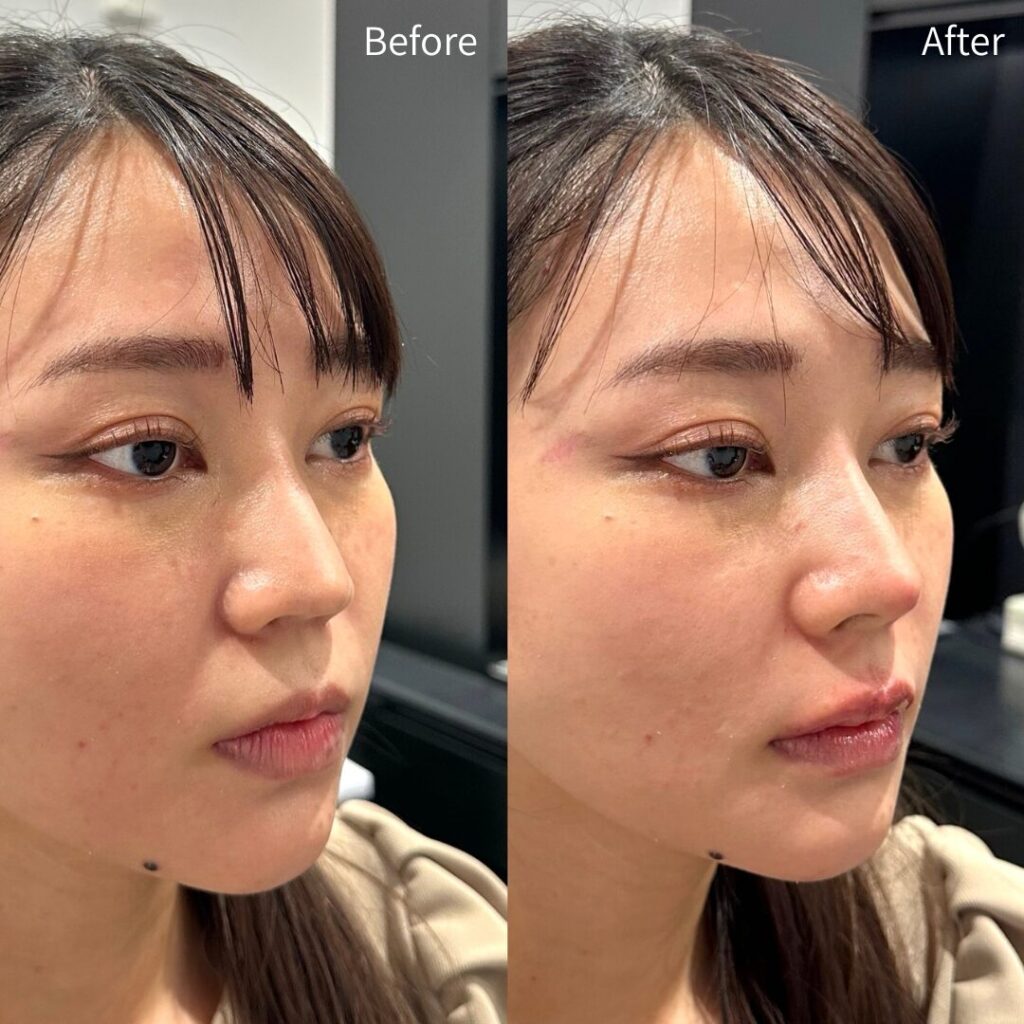
Hyaluronic Acid Injections for Height Without Surgery
This procedure involves manually injecting hyaluronic acid to add height to the nose or refine its contour.
【Benefits】
Because it does not require the use of a scalpel, it leaves no scars and has minimal downtime, making it a popular, convenient cosmetic procedure.
Additionally, if you are dissatisfied with the results after treatment, it is possible to break down the injected hyaluronic acid using hyaluronidase, a hyaluronic acid dissolving agent, and have it re-injected.
【Important Notes and Risks】
Hyaluronic acid is naturally absorbed, so its effects are not permanent. While individual results may vary, the effects typically become less noticeable after about six months to a year and a half.
Furthermore, hyaluronic acid injections have limitations in terms of the areas where they can be administered and the amount that can be injected, which restricts the types of designs that can be achieved.
If too much filler is injected, it may spread sideways, potentially causing the bridge of the nose to become too thick or creating an unnatural appearance.
Lumps may form, and while rare, there is also a non-zero risk of vascular occlusion, skin necrosis, or blindness.
Pain or swelling may occur after the procedure, but it should subside within about 3 days. If bruising develops, it may take about 2 weeks to fade. Makeup and facial cleansing are possible starting the same day.
Estimated Costs
Costs vary depending on the formulation and amount used, but typically range from ¥30,000 to ¥100,000.
Reference Price】¥121,000~
Details about hyaluronic acid injections can be found here.
Thread Lift (Nose Thread) for Shaping Down to the Tip of the Nose
Thread lift is a procedure that involves inserting dissolvable threads into the nose without using a scalpel to add height to the bridge and tip of the nose.
【Benefits】
The procedure time is short, and it has the advantage of relatively minimal downtime.
【Important Notes and Risks】
The effects are limited to about one to two years, and repeated procedures are necessary to maintain the ideal nose shape.
Additionally, there is a risk of uneven skin texture at the insertion site or infection, though it is not entirely absent.
Effectiveness of Surgical Procedures
By the way, surgical procedures involve incisions but offer semi-permanent results, enabling more fundamental improvements.
Additionally, it can achieve significant changes that are difficult with thread lifts. While it is costly, it offers high cost-effectiveness in the long term. For these reasons, we recommend surgical procedures over thread lifts.
For semi-permanent results, choose “Rhinoplasty (Implant/Rib Cartilage)”
There are two main methods for rhinoplasty: “nose prosthesis” and “rib cartilage rhinoplasty.”
Nasal implant
Nasal prosthesis surgery involves inserting a prosthesis made of medical-grade silicone to add height from the base of the nose to the bridge.
Custom prostheses tailored to individual bones and cartilage can also be created, making them ideal for those seeking a sharper nasal bridge.
The surgery takes approximately one hour, and a cast must be worn for 5 to 7 days post-operatively. On the other hand, rib cartilage rhinoplasty involves finely processing the patient’s own rib cartilage and transplanting it to the nasal bridge. Because it uses the patient’s own tissue, it is suitable for those who are hesitant about artificial materials or who prioritize long-term stability after surgery.
Rib Cartilage Rhinoplasty
It is also possible to perform this procedure simultaneously with septal extension surgery.
This procedure also takes about one hour, and the cast immobilization period is the same.
Both procedures are performed under local or general anesthesia after the design is finalized, with scars placed discreetly inside the nostrils or along the columella.
It is important to choose the method that best suits your preferences and physical constitution.
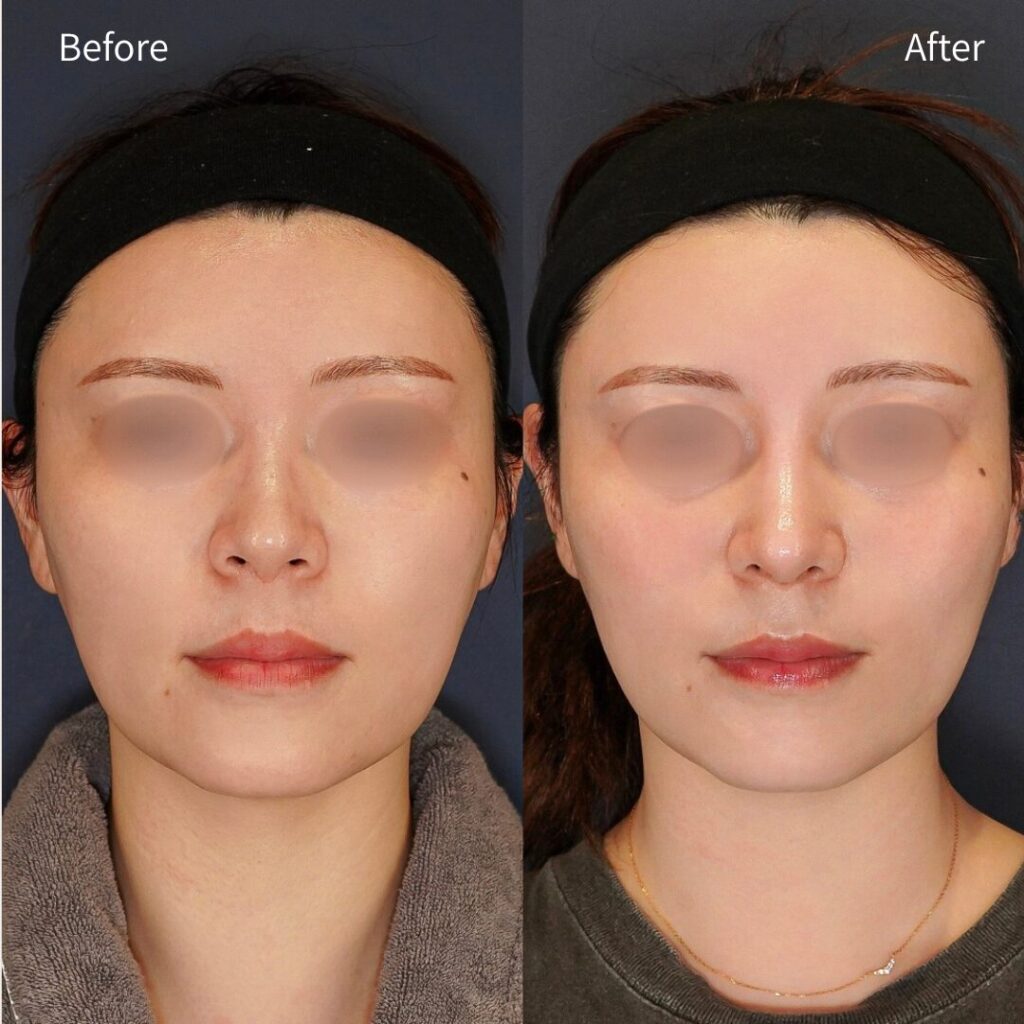
【Side Effects & Risks】Nose (swelling, bruising, nosebleeds, nasal congestion, columellar scarring, nasal tip, decreased sensation in the auricle, nasal tilt, inability to elevate the nasal tip, asymmetry in nasal shape, hardening of the nasal tip, columellar scarring, rounded sensation in the nasal tip, infection, wound dehiscence, blood flow impairment),Noble Surgery (Infection, wound separation, impaired blood flow, swelling, bruising, nosebleeds, nasal congestion, columellar scarring, decreased sensation in the nasal tip or auricle, nasal tilt, inability to elevate the nasal tip, asymmetry in nasal shape, hardening of the nasal tip, rounded sensation in the nasal tip) [Reference Procedure
Cost] ¥2,035,000 and up
Details on Rib Cartilage Rhinoplasty
Septoplasty: Balancing the Entire Nose
This procedure involves transplanting cartilage harvested from the patient’s own body—such as auricular cartilage, septal cartilage, or costal cartilage—into the nasal septum, which divides the nasal cavity into left and right sides.
Treatment Details and Downtime
By extending the nasal septum, it is possible to enhance the overall balance of the nose—such as elevating the tip, lowering the nasal projection to make the nostrils less visible, and sharpening the nasal tip.
It is typically performed using the open method, which involves making an incision in the columella or inside the nasal cavity.
This procedure delivers dramatic results, but requires a lengthy recovery period.
Risks and Side Effects
There are also risks such as infection, nasal congestion, decreased sensation in the tip of the nose, hardening of the nasal tip, and asymmetry in the shape of the nose.
While this procedure offers semi-permanent results, there is still a risk that the tip of the nose may bend over time due to the natural aging of the cartilage.
Pain and heat sensation will subside after about 3 days following the procedure, but swelling and bruising may persist for 1 to 2 weeks.
These symptoms will subside after about 1 to 3 months, but it takes about 3 to 6 months for the results to fully develop.
After the procedure, your nose will be immobilized with a cast, so you will not be able to apply makeup or wash your face.
The cast will be removed and stitches taken out 5 to 7 days after the procedure. If there are no issues, showering below the neck is possible starting the day after the procedure.
Estimated Costs
The cost varies depending on the site of cartilage harvesting, but it is approximately ¥1,000,000 to ¥1,500,000.
Using rib cartilage will increase the cost.
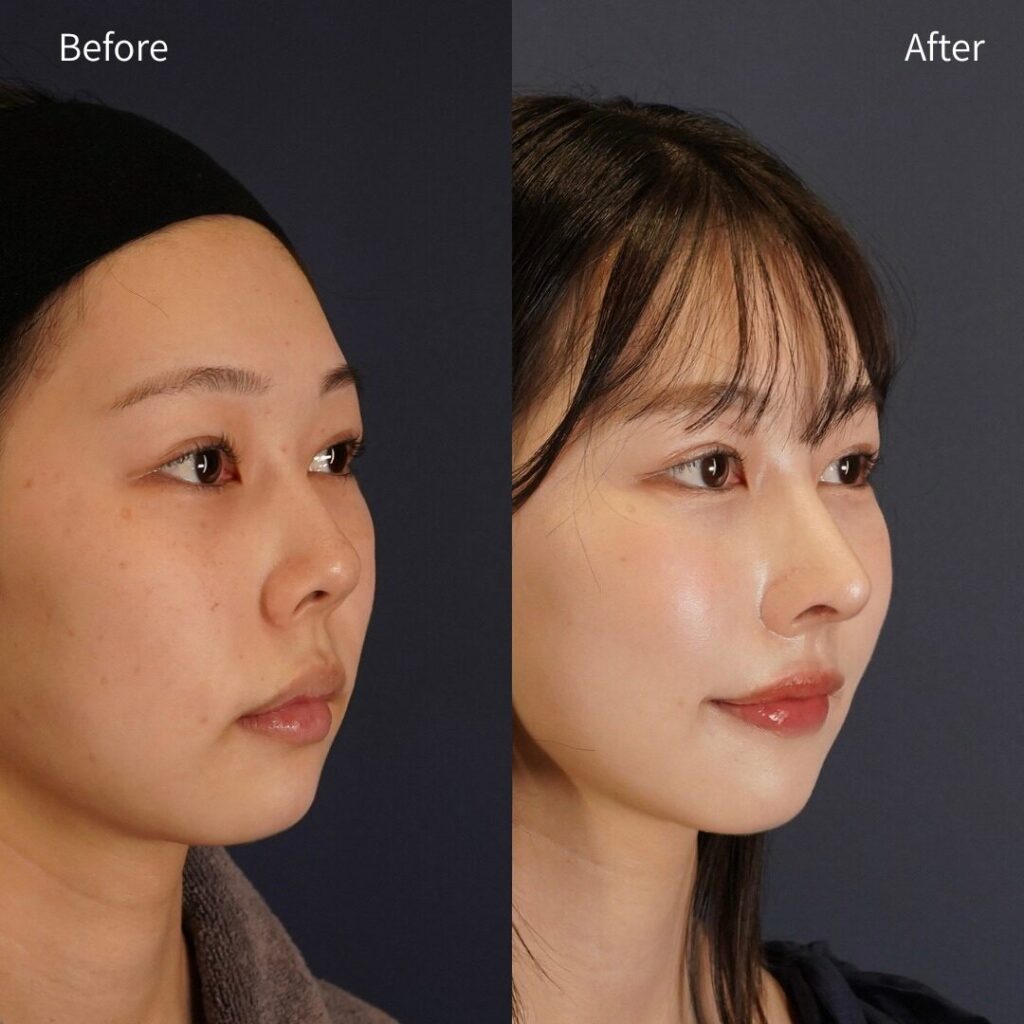
Cost] ¥1,500,000~
Details on Nasal Septum Extension
Rhinoplasty to Eliminate a Bulbous Nose Tip
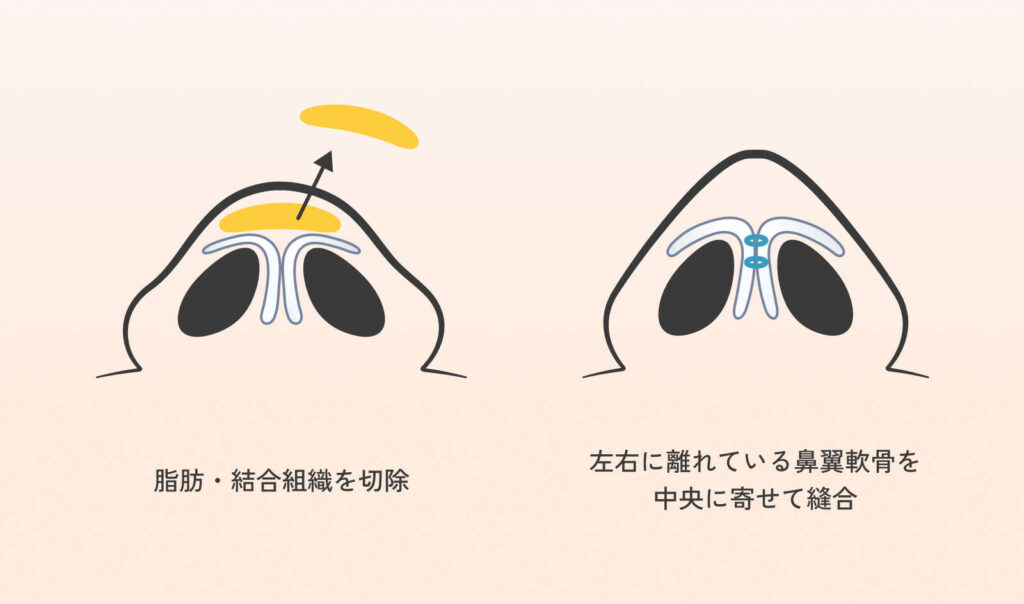
This procedure removes excess fat around the tip of the nose, adjusts the shape and size of the alar cartilage that forms the nasal tip, and reshapes the area by transplanting cartilage such as auricular cartilage harvested from the patient’s own body.
You can refine the tip of your nose by making it sharper, increasing its height, or altering its angle to make the nostrils less visible.
About the Treatment Method
There are two surgical approaches: the closed method, which involves making incisions inside the nostrils, resulting in less visible scarring; and the open method, which involves making incisions along the columella and inside the nasal cavity, providing a wider field of view and allowing for more precise adjustments.
Points to Note / Risks
It excels at designing the tip of the nose, but it cannot dramatically alter the overall balance of the nose.
While this procedure generally provides semi-permanent results, if only the alar cartilage is sutured, there is a risk that it may gradually return to its original state over time.
Additionally, there is a risk of infection, nasal congestion, decreased sensation in the tip of the nose, and asymmetry in the shape of the nose.
Downtime
Pain typically subsides within about three days after the procedure, but swelling and bruising may take one to two weeks to fully resolve. The condition stabilizes over time, with the final results becoming apparent in about three months.
After the procedure, a nasal splint will need to be worn for approximately 5 to 7 days.
The cast will be removed and stitches will be taken out. If there are no issues, makeup and facial cleansing will be possible starting the next day. Showering from the neck down is possible starting the day of the procedure.
Estimated Costs
The cost ranges from approximately 300,000 to 600,000 yen, and it increases if cartilage grafting is performed.
How to Choose the Right Treatment and Key Points for Selecting a Doctor to Avoid Failure
Choose based on “How much change do you want?”
There are several methods for refining the nasal bridge, so it’s important to choose one based on how much you want to change your nose.
If only minor changes are needed, self-care methods like makeup or massage can suffice. However, if you seek fundamental change or significant transformation, cosmetic medical treatments offering semi-permanent results are recommended.
Cosmetic procedures to refine the nasal bridge vary in their effects and results depending on the specific treatment, so choose the procedure that will achieve your ideal nasal bridge.
Choose based on “How much downtime can you afford?”
Since downtime varies depending on the specific procedure for cosmetic nose treatments, it’s important to confirm beforehand how much downtime will be required.
Consider what level of recovery will allow you to resume work or school without disruption—whether it’s when the pain subsides, the cast is removed, the swelling and bruising become less noticeable, or the injury is fully healed.
When planning for particularly important events, we recommend considering potential risks and allowing for a flexible schedule.
Consult with a qualified physician, such as a board-certified plastic surgeon.
The final result varies depending on the performing physician, so it is crucial to select a doctor with proven technical skill and excellent aesthetic sense. Therefore, be sure to thoroughly verify the physician’s expertise and track record.
Be sure to check the clinic’s website and verify the doctor’s board certification and case photos.
Whether or not a surgeon holds the “Board-Certified Plastic Surgeon” qualification serves as one indicator for assessing the accuracy of their surgical techniques.
Also, be sure to attend counseling sessions regularly. It’s recommended to check whether the staff is courteous and answers your questions properly, and whether they thoroughly explain not only the benefits but also the drawbacks and risks.
It’s reassuring to confirm in advance how they handle follow-up support and troubleshooting.
Aftercare and Precautions for Better Post-Treatment Results
After hyaluronic acid injections, avoid irritation.
Prohibition of stimulation or pressure on the treatment area
It is important to avoid stimulating the treated area. For two weeks after treatment, refrain from applying strong pressure or friction.
Please avoid massage and other beauty treatments, as well as sleeping on your stomach.
Be cautious of activities that raise body temperature, such as drinking alcohol or strenuous exercise.
Avoid activities that raise your body temperature, such as drinking alcohol or strenuous exercise, until symptoms subside, as improved blood circulation may cause swelling and redness to worsen.
Avoid taking long baths in hot water; lukewarm showers are recommended.
Daily Skincare and UV Protection
Be sure to moisturize thoroughly with lotion and emulsion to prevent dryness, and take proper measures against UV rays.
If there are no particular issues, you may apply makeup starting on the day of the procedure; however, we recommend using makeup that is gentle on the skin.
After surgery, “rest and cast protection” are the top priorities.
To ensure a smooth recovery and achieve the best possible results, please follow these guidelines and rest properly.
Handling Casts and Managing Pain
- Protect the cast: To
prevent shifting or dislodging, avoid touching it carelessly. - Caution regarding sleeping positions:
Sleeping on your stomach is strictly prohibited as it compresses the nose. - Pain Management: You may
experience pain once the anesthesia wears off. Take your prescribed pain medication as directed.
Lifestyle habits to prevent worsening swelling
During periods of severe pain or swelling, rest is paramount. Avoid the following activities, as improved blood circulation may worsen swelling:
- Things to avoid:
Drinking alcohol, strenuous exercise, long baths (soaking in the tub) - Recommended:
Take a lukewarm shower (keeping it below the neck only).
Skincare and Makeup
The care method changes before and after the cast is removed.
【While wearing a cast: From the day of application until the following day】
- Face Cleansing: Since you cannot wet your face, please use cleansing wipes to keep your skin clean.
- Makeup: Avoid applying makeup around the cast.
- Bathing: You may shower from the neck down, but please use lukewarm water and avoid getting the affected area wet.
After the cast comes off: Starting the next day
- Face washing and makeup: Both will be possible.
- Cover-up Tips: You can conceal areas with bruising or swelling using makeup. When going out, pairing it with a mask is recommended for a more natural look.
【Important】Please take care not to get the affected area wet.
Be extremely careful to avoid getting water in your nose while showering.
Additionally, since the process takes time to complete, be sure to carefully monitor the progress and strictly adhere to any scheduled follow-up appointments.
The Importance of Long-Term Care
While semi-permanent procedures eliminate the need for ongoing treatment, maintaining your ideal nose bridge requires continuing long-term care after the procedure.
Perform daily care meticulously and avoid applying excessive pressure or impact to the nose.
If you notice any changes in the treated area or have any concerns, we recommend consulting a professional promptly.
Achieving Your Ideal Nose Profile|Start with a Consultation
The key to a beautiful profile lies in the nose bridge. While makeup and massage can temporarily refine its appearance, cosmetic procedures are recommended for fundamental changes and lasting results.
Aesthetic medicine offers various treatment methods, including non-surgical hyaluronic acid injections and thread lifts, prosthesis insertion for long-lasting results, and procedures like septal extension and rhinoplasty to refine the nasal tip.
These procedures each have different effects, downtime, and costs. It is important to choose based on the degree of change you desire, the amount of downtime you can afford, and your budget.
No matter which procedure you choose, finding a trustworthy doctor is the most important thing.
At LIVIN CLINIC, Director Yoshiaki Shinyouna, a dual specialist in plastic and cosmetic surgery, will carefully listen to your concerns and desires.
We have published numerous rhinoplasty case studies, so please be sure to check out our case study page.
Supervisor of this article
Director Yoshiaki Shingyochi
SHINGYOCHI Yoshiaki
Director of LIVIN CLINIC and a specialist in plastic and cosmetic surgery. After graduating from Juntendo University School of Medicine, he gained extensive experience as a department head and vice director before assuming his current position in 2025. He specializes in nose and eye area procedures, breast augmentation, and other surgeries, earning the trust of patients both domestically and internationally. Guided by the belief of “maximizing each patient's unique beauty,” he provides high-quality treatment through advanced techniques and meticulous procedures. Director of LIVIN CLINIC, Board-Certified Plastic Surgeon, Board-Certified Aesthetic Surgeon (JSAPS), Doctor of Medical Science, Adjunct Assistant Professor, Department of Plastic Surgery, Juntendo University.
Share this article
-

Share on X
-

Share on Facebook
-

Share on LINE
-
リンクをコピーしました