
3-Way Outer Corner Eyelid Surgery
INDEX

The 3-Way Lateral Canthoplasty is a surgical procedure that involves making an incision at the outer corner of the eye and widening it outward. Specifically
, the “3-Way Lateral Canthoplasty” technique fixes the lateral canthal ligament to the orbital periosteum, enabling the outer corner of the eye to be widened in three directions: horizontally, diagonally, and downward.
This can help improve upturned eyes and make the whites of the eyes appear larger, creating a softer, gentler impression around the eyes.

Recommended for people like this
- I want to make my eyes look bigger and more outwardly focused.
- I want a centrifugal face (with eyes that appear to be spread outward).
- I want to improve my sharp-looking eyes.
- I want to achieve a soft, droopy-eyed look.
Features of Our Clinic’s 3-Way Buttock Augmentation
- While the number of clinics performing this procedure
in Japan is limited, our clinic has extensive experience with numerous cases and consistently achieves stable results. - A natural and beautiful
finish We design not just to enlarge and widen, but to create a natural-looking eye area while making a distinct change, all while considering the overall balance of the face. - With advanced
techniques and meticulous procedures, we finely adjust the shape of the outer corners and eye width to achieve a customized result tailored to each patient's ideal vision.
Surgical procedure
By making an incision at the outer corner of the eye and suturing the detached ligament
to the orbital periosteum, the eye is widened horizontally, diagonally, and downward. This expands the visible white area of the eye and creates a droopy-eyed effect, resulting in a softer impression.
Cases
-
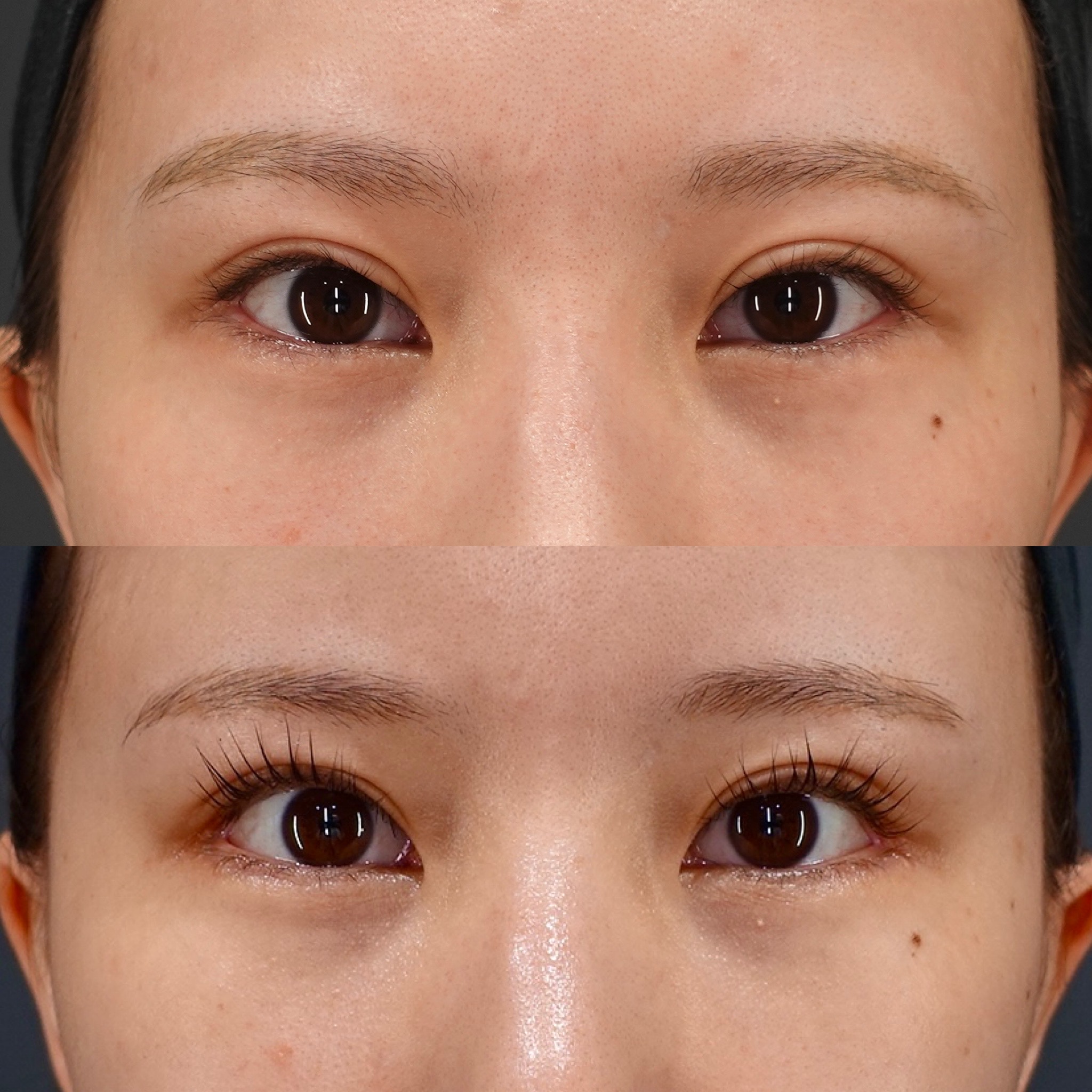
Ham Eye Correction (Upper Eyelid Skin Resection), 3-Way Outer Corner Eyelid Surgery
-
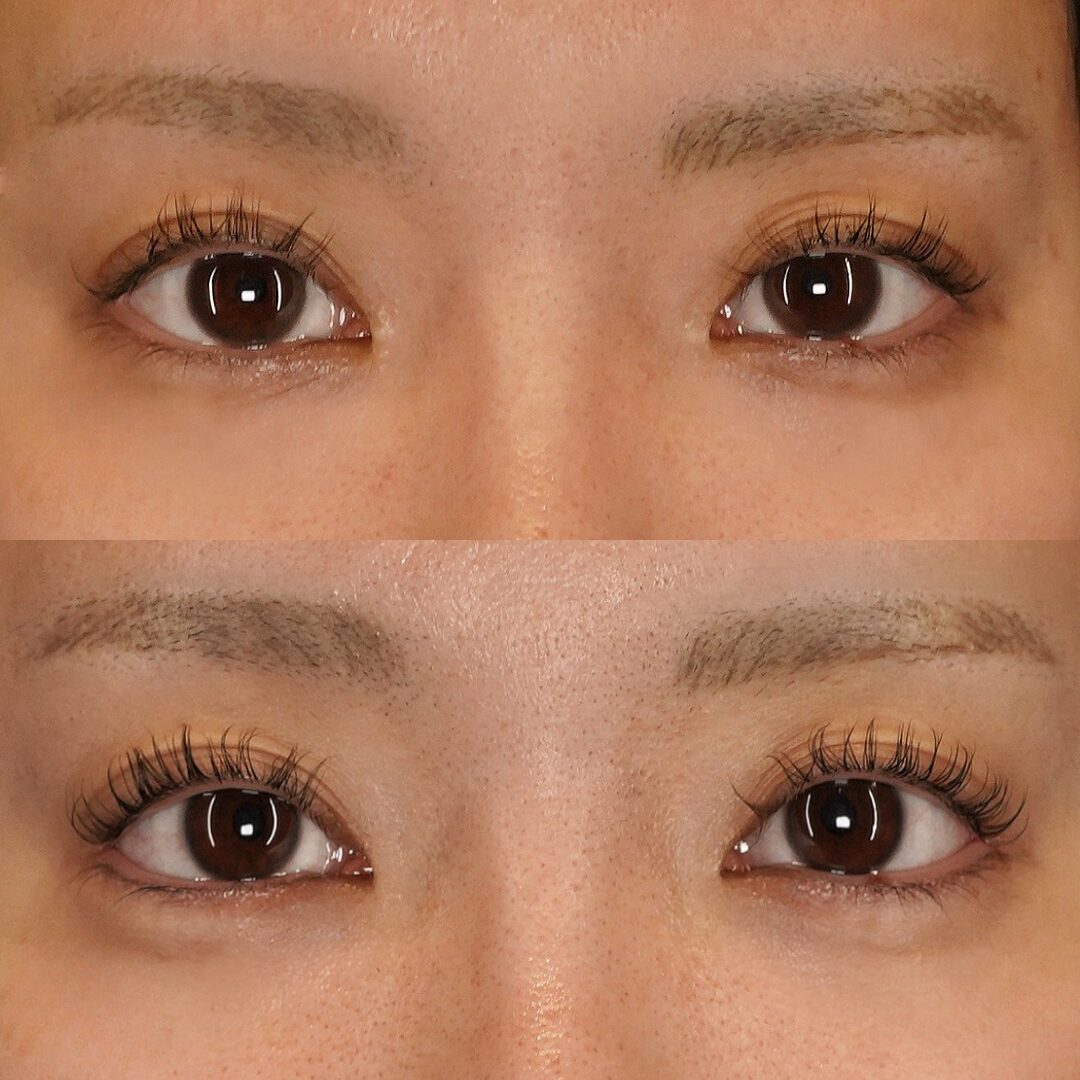
3-Way Outer Corner Eyelid Surgery
-
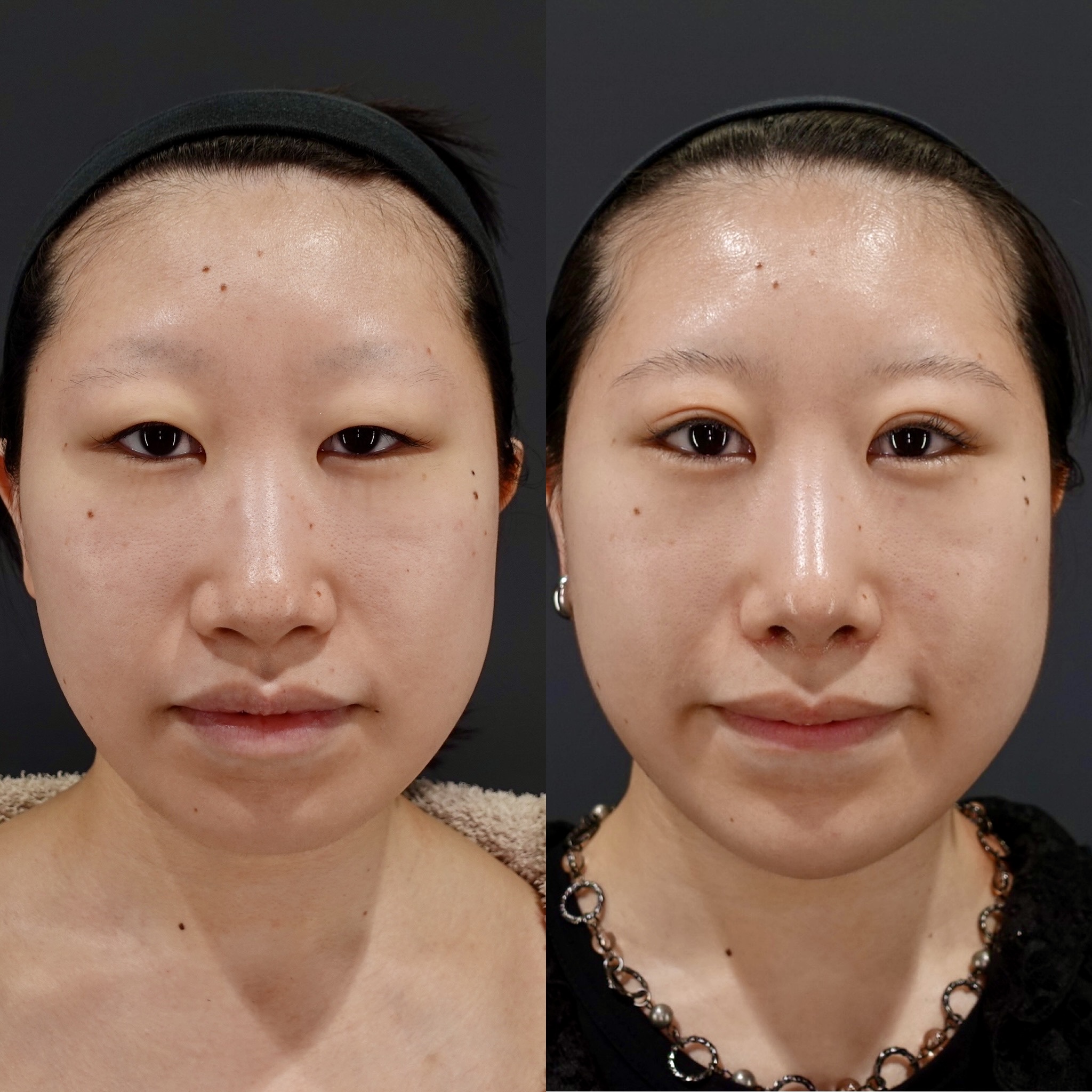
Double Eyelid Full Incision, ROOF Resection, 3-Way Outer Canthus Expansion, Nasal Septum Extension, Nasal Tip Reshaping, Nasal Implant, Alar Base Reduction (Nostril Reduction), Hyaluronic Acid for Chin
Treatment Details
| Treatment Fee | ¥440,000 |
|---|---|
| Treatment Time | Approximately 40 minutes |
| Facial Cleansing | Permitted starting the day after surgery. |
| Makeup | Sutures are removed 5 to 7 days post-surgery. Makeup may be applied starting the day after suture removal. |
| Complications and Risks | Infection, wound dehiscence, scarring, asymmetry, relapse, mucosal exposure |