
Rib Cartilage Rhinoplasty
INDEX
The rib cartilage is finely ground using specialized instruments and transplanted from the nasal root to the bridge of the nose to enhance its height. Since
this procedure uses the patient’s own tissue, it is recommended for those who prefer to avoid foreign materials such as silicone implants.
Recommended for people like this
- I want a straight nose bridge.
- I want height from the bridge of the nose to the nasal ridge.
- I don't want to use artificial objects.
Features of Rib Cartilage Rhinoplasty at Our Clinic
When performing nasal septum extension using costal cartilage, the harvested costal cartilage can be used for simultaneous procedures.
Rhinoplasty using rib cartilage is a procedure offered by few facilities in Japan. However, at our clinic, our experienced surgeons can create a beautiful nasal bridge that rivals silicone implants. Furthermore, since it is formed entirely from the patient’s own tissue, it is said to be superior to silicone implants in terms of post-operative maintenance.
Treatment Process
Design
Based on preoperative simulations and your ideal image, we will propose a nose shape that complements your facial features. On the day of surgery, we will also ensure ample time for design consultation.
Anesthesia
It is performed under intravenous anesthesia or general anesthesia.
surgery
The surgery takes about one hour. Scars will form inside the nasal cavity and partially on the columella, but these are inconspicuous areas.
Cases
-
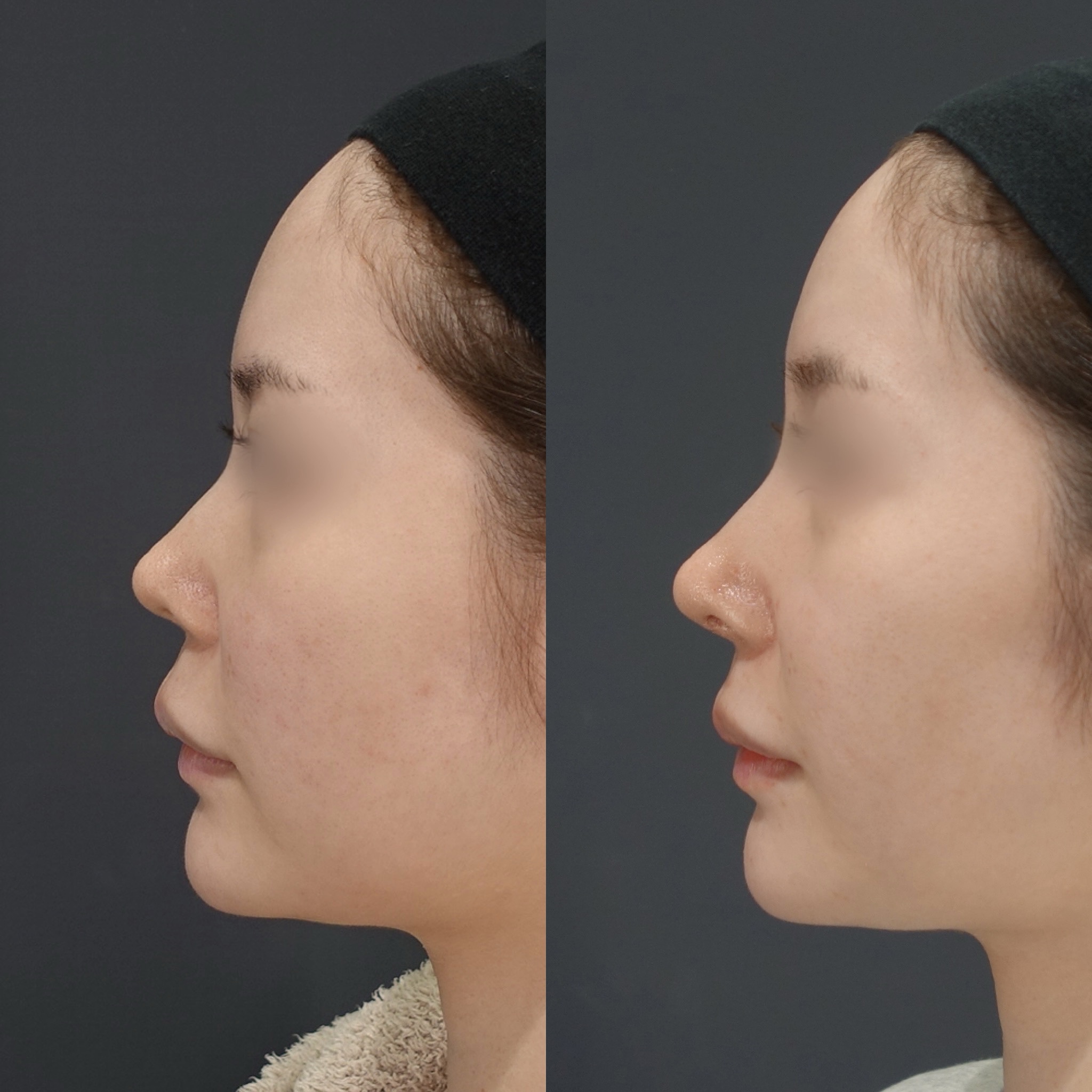
Septum Extension, Nasal Tip Reshaping, Rib Cartilage Rhinoplasty, Aristocratic Surgery, Revision Surgery from Other Clinics
-
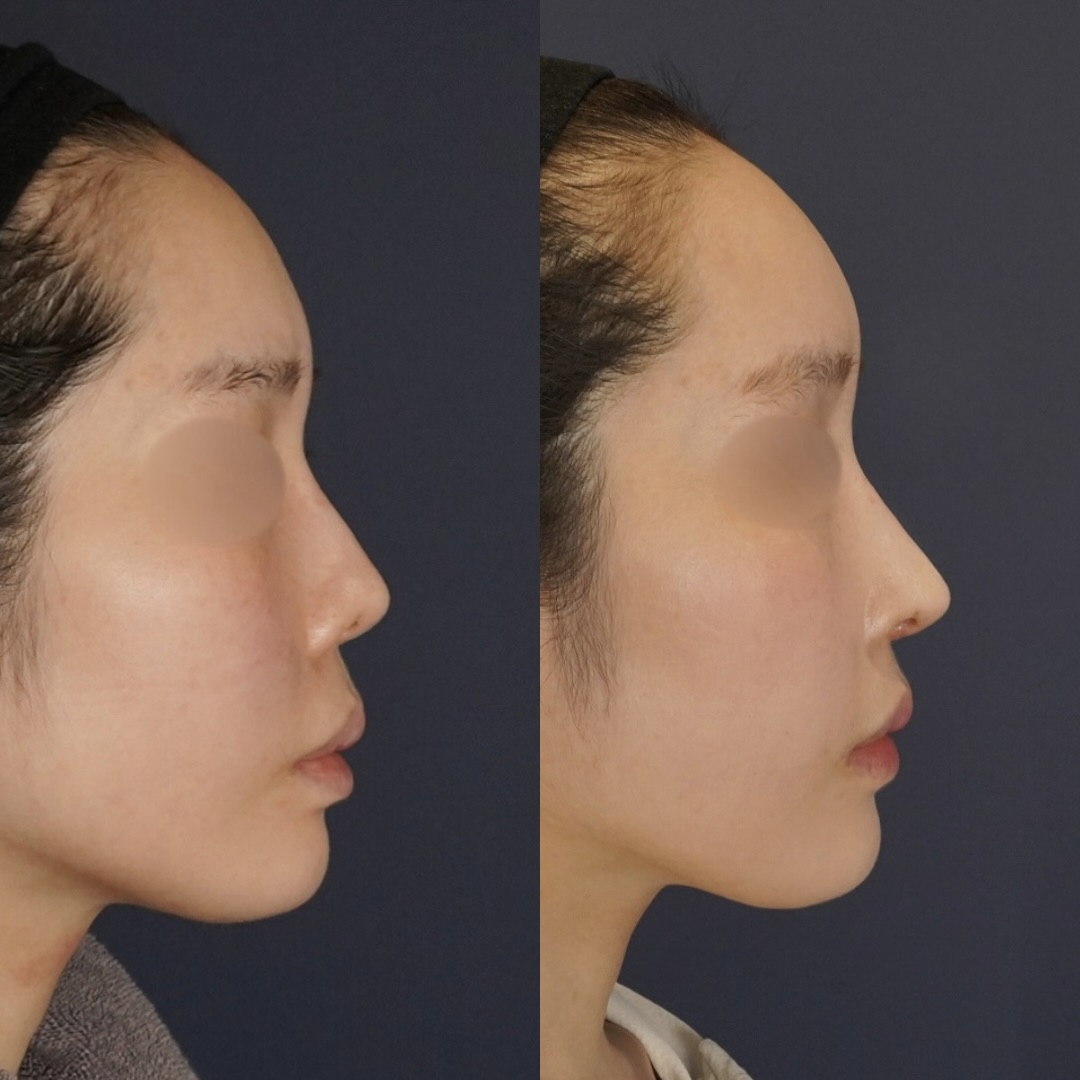
Rib Cartilage Rhinoplasty, Septal Extension (Rib Cartilage), Nasal Tip Reshaping, Columella Lowering, Nostril Rim Lowering, Revision Surgery
-
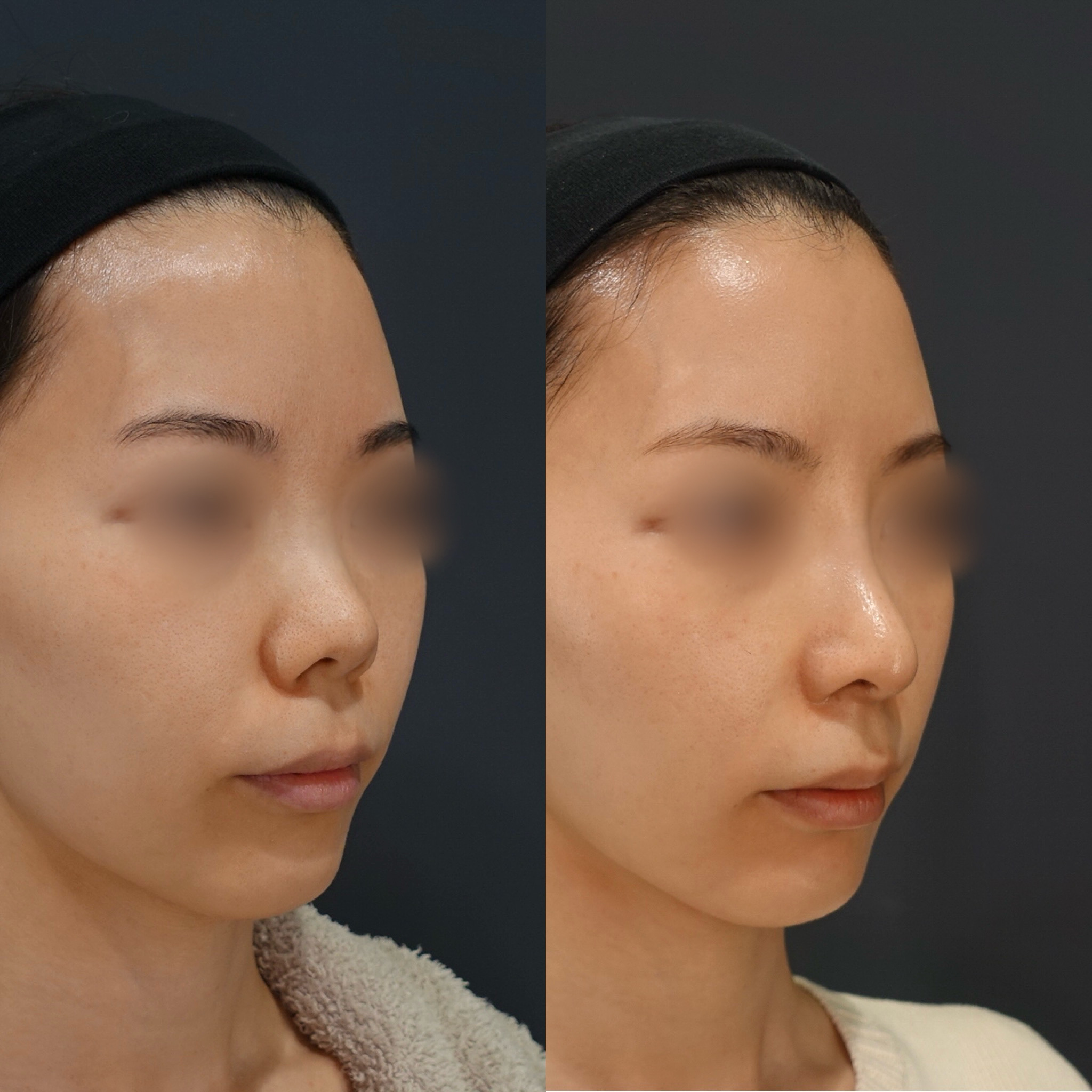
Septum Extension, Nasal Tip Reshaping, Rib Cartilage Rhinoplasty, Aristocratic Surgery
Treatment Details
| Treatment Time | Approximately 1 hour |
|---|---|
| Facial Cleansing and Bathing | Facial cleansing is not possible for 7 days after surgery due to the nasal cast. Showering from the neck down is permitted. Please keep the cast on as much as possible for up to 3 weeks after surgery. |
| Makeup | Makeup is permitted starting the day after the cast is removed and stitches are taken out. |
| Risks and Side Effects (Possible Occurrences) | Infection, wound dehiscence, impaired blood flow, swelling, bruising, nosebleeds, nasal congestion, scarring on the columella, decreased sensation in the nasal tip or ears, nasal tilt, inability to elevate the nasal tip, asymmetry in nasal shape, hardening of the nasal tip, sensation of a rounded nasal tip. |